 EnglishEnglish
Views: 0 Author: Site Editor Publish Time: 2025-10-21 Origin: Site


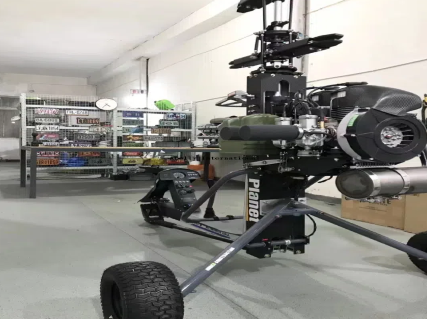
Coaxial helicopters are revolutionizing aviation with their unique design. Known for their counter-rotating rotors, they offer distinct advantages over traditional helicopters. In this article, we will explore if coaxial helicopters are indeed better. We will analyze their strengths, weaknesses, and how they compare to conventional designs.
Coaxial helicopters feature two main rotors mounted on the same shaft, rotating in opposite directions. This counter-rotating design eliminates the need for a tail rotor, which is present in traditional helicopters to counteract the torque created by the main rotor. The main benefit of this design is that it cancels out the torque generated by each rotor, stabilizing the aircraft without the need for a tail rotor. This feature results in a more efficient and compact helicopter, particularly in operations that require high maneuverability or operations in confined spaces.
The unique design of coaxial helicopters relies on the two rotors spinning in opposite directions. This counter-rotating motion negates the torque that would otherwise cause the aircraft to spin in the opposite direction of the main rotor. As a result, coaxial helicopters are more stable and balanced during flight. This design also reduces the overall size of the helicopter, as there is no need for a tail rotor, and the center of gravity is more balanced, contributing to enhanced control and stability.
By eliminating the tail rotor, coaxial helicopters are better able to make rapid and precise adjustments to their flight path, making them ideal for missions that require quick maneuvers. In addition, the design improves safety, as the risk of catastrophic failure due to tail rotor malfunction is removed.
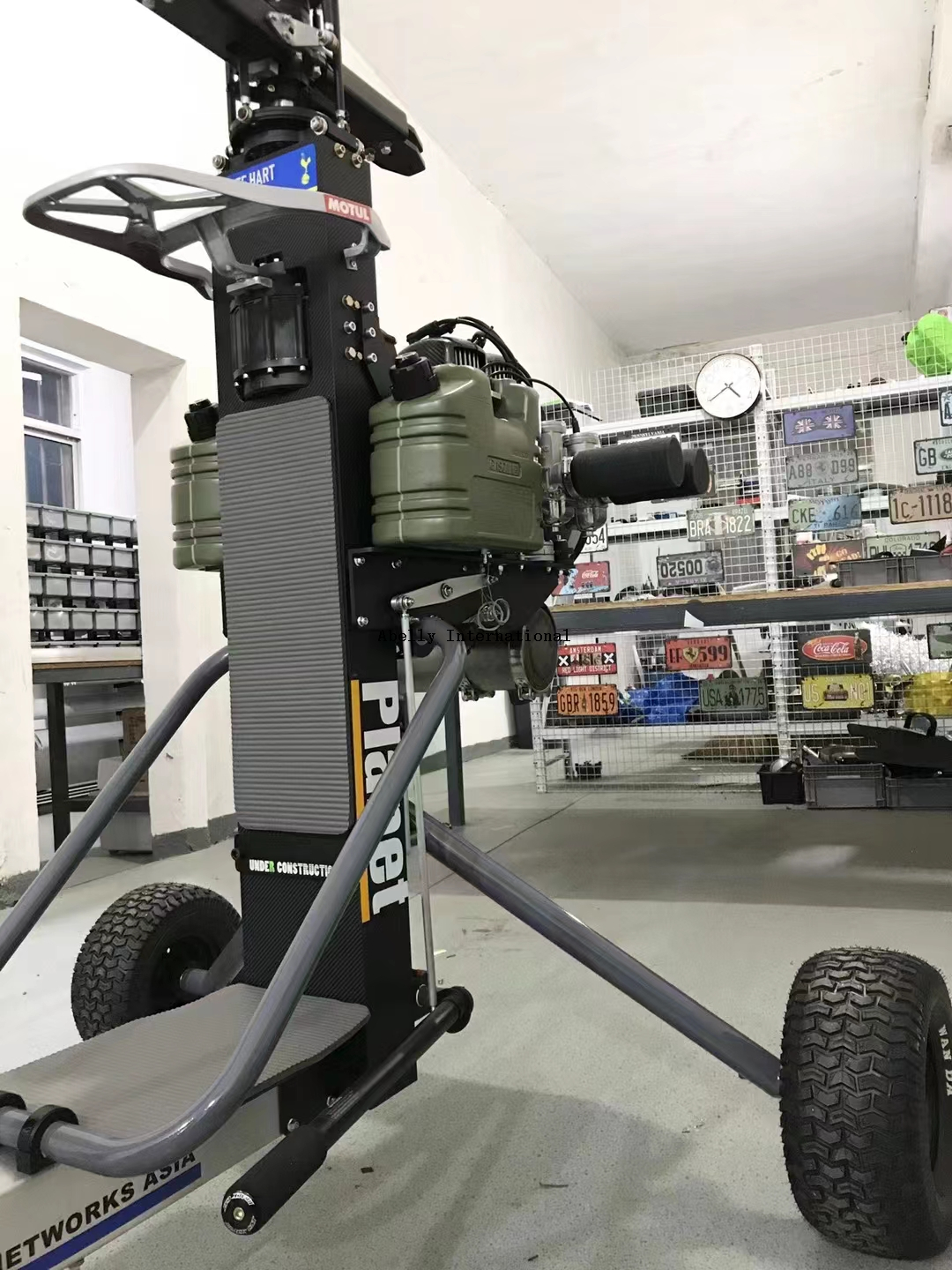
Maneuverability is a crucial factor in many helicopter operations, such as military missions, search and rescue, or urban air mobility. Coaxial helicopters stand out in this area due to the way their rotors interact. The counter-rotating blades provide excellent control, enabling the helicopter to make sharp turns and quick adjustments to its trajectory. The absence of a tail rotor allows for better control in confined spaces and in tight spaces such as cityscapes or mountainous regions, where traditional helicopters may struggle.
Coaxial helicopters also tend to have improved response times, making them a preferred choice for operations requiring precision, like emergency medical services (EMS) or rescue missions. This heightened maneuverability, combined with their ability to operate in congested environments, makes coaxial helicopters ideal for tactical military operations and urban air mobility.
The coaxial rotor system enhances both the lift-to-weight ratio and the efficiency of the helicopter. In comparison to traditional helicopters, coaxial designs generate more lift for the same rotor diameter, allowing the helicopter to carry heavier loads or operate with greater fuel efficiency. This makes coaxial helicopters particularly suited for heavy-lifting tasks such as cargo transport, firefighting, or high-altitude operations.
By using less power to hover, coaxial helicopters consume less fuel, offering better operational efficiency. This improved efficiency also means longer operational times without refueling, making them more suitable for prolonged missions, such as disaster response or long-duration surveillance.
The compactness of coaxial helicopters is one of their most significant advantages. By eliminating the tail rotor, the overall length of the helicopter is reduced, making it easier to operate in tight spaces. This is especially beneficial for urban air mobility (UAM) applications, where aircraft need to operate in highly congested airspaces and land or take off in small spaces like rooftops or helipads.
In addition, the smaller rotor system allows for a more efficient use of space inside the helicopter. This design reduces the need for extensive mechanical systems, which can also decrease the helicopter’s overall weight and increase its payload capacity.
The coaxial rotor system simplifies the mechanical components of the helicopter. Without the need for a tail rotor, there are fewer moving parts and components that require maintenance. This reduction in mechanical complexity leads to lower maintenance costs over time and increases the helicopter’s overall reliability. The absence of a tail rotor and associated drive system also reduces the chances of mechanical failure, enhancing safety and operational performance.
By removing the tail rotor and its complex mechanical linkages, coaxial helicopters have fewer parts that are prone to wear and tear. This makes them more reliable for demanding operations that require continuous performance.
| Feature | Coaxial Helicopters | Traditional Helicopters |
|---|---|---|
| Maneuverability | Excellent; quick control and precision | Good, but requires tail rotor for yaw control |
| Lift and Efficiency | Higher lift and better fuel efficiency | Lower efficiency in some cases |
| Compactness | Smaller overall design, no tail rotor | Larger size due to tail rotor |
| Mechanical Complexity | Less complex overall design | More complex with tail rotor and drive system |
| Safety | More reliable due to no tail rotor failure risk | Higher risk from tail rotor failure |
While the overall design is simpler, coaxial helicopters introduce some mechanical complexity in the rotor hub. The hub needs to accommodate two rotors rotating in opposite directions, requiring precise engineering and synchronization to ensure stability. This adds complexity to the design and manufacturing process, and any failure in synchronization can severely affect the helicopter's stability.
The proximity of the two counter-rotating rotors in a coaxial design presents a risk of rotor blade interaction. The airflow produced by the upper rotor can interfere with the lower rotor, creating turbulence and potentially affecting the efficiency of the lift produced by both rotors. Managing this airflow interaction is crucial in coaxial designs, as any instability caused by poor airflow management can impact the performance of the helicopter.
The close proximity of the blades also increases the risk of blade collision during extreme maneuvers or in turbulent air conditions. While advances in design and rotor control systems have reduced this risk, it remains a factor that needs to be carefully managed, particularly in high-speed or high-agility operations.
Coaxial helicopters are generally louder than traditional helicopters due to the interaction between the two rotors. This increased noise level can be a significant issue in certain applications, such as urban air mobility or medical emergency operations, where noise pollution is a concern. The noise produced by the rotating blades can make coaxial helicopters less suitable for operations in noise-sensitive environments.
Furthermore, coaxial helicopters have some limitations in applications that require high forward speed. The design of the rotors can introduce aerodynamic inefficiencies, which affect the helicopter's performance at higher speeds. For missions that require sustained high-speed flight, such as military reconnaissance or fast troop transport, coaxial helicopters may not be the best option.
Some coaxial helicopter designs are limited in their ability to reach high forward speeds due to the aerodynamic characteristics of the rotor system. While coaxial helicopters excel in hovering and vertical takeoff, their forward speed is typically slower compared to traditional single-rotor helicopters. This can limit their applicability in missions that require sustained high-speed travel, such as long-range reconnaissance or fast troop transport.
This limitation in forward speed may also affect the helicopter's fuel efficiency at higher speeds, as it may require more power to overcome aerodynamic drag. As a result, coaxial helicopters are generally better suited for short-range or vertical-lift operations rather than long-distance travel.
Coaxial helicopters offer superior stability in hovering compared to traditional helicopters. In single-rotor helicopters, the tail rotor is used to counteract the torque produced by the main rotor, which can result in slight instability in hover. In contrast, coaxial helicopters cancel out this torque with their counter-rotating rotors, resulting in more precise control and greater stability during hover. This makes coaxial helicopters ideal for applications that require precise hovering, such as aerial surveys, rescue missions, and firefighting.
When it comes to forward flight, traditional helicopters tend to perform better. The design of coaxial helicopters, with their counter-rotating rotors, introduces aerodynamic inefficiencies that can reduce the overall performance at higher speeds. This results in lower cruising speeds and potentially higher fuel consumption compared to single-rotor helicopters. While coaxial helicopters are excellent at hovering and vertical takeoff, they are not as efficient as traditional helicopters when it comes to long-distance or high-speed flight.
Coaxial helicopters are safer than traditional helicopters in some respects, particularly in terms of tail rotor failure. In a single-rotor helicopter, if the tail rotor fails, the helicopter can lose control, leading to a catastrophic accident. However, in coaxial helicopters, there is no tail rotor, eliminating the risk of this type of failure. Additionally, coaxial helicopters are less prone to yaw instability, as the counter-rotating rotors ensure balance and stability throughout the flight.
While coaxial helicopters offer superior safety in certain areas, the complexity of the rotor system means that they require more maintenance and precise calibration. Any failure in synchronization can lead to a loss of stability, so it is crucial that these helicopters are maintained and operated by highly trained professionals.
In military operations, coaxial helicopters provide exceptional maneuverability and stability in confined spaces, making them ideal for tactical missions. Their compact design allows them to operate in urban environments, on ships, or in mountainous terrain, where traditional helicopters might be less effective. The superior control and efficiency of coaxial helicopters make them suitable for reconnaissance, troop transport, and search-and-rescue missions in complex environments.
Coaxial helicopters are ideal for search and rescue operations, where precision and stability are crucial. Their ability to hover in one spot without the need for constant adjustment makes them highly effective in rescue missions in remote or difficult-to-reach locations. The compact design also allows them to operate in narrow spaces, such as forests, mountainous regions, or urban areas, where traditional helicopters may struggle.
While coaxial helicopters are not yet widespread in commercial applications, they have a growing role in urban air mobility, firefighting, and emergency medical services. Their compact design and maneuverability make them well-suited for use in cities, where space is limited. The high efficiency and better lift-to-weight ratio also make them valuable for heavy-lifting operations, such as moving supplies to remote areas or assisting in disaster response efforts.
Coaxial helicopters are more complex to design and manufacture than traditional single-rotor helicopters. The rotor hub, which must accommodate two rotors spinning in opposite directions, is mechanically intricate and requires precise synchronization. The increased complexity in manufacturing and design has slowed the widespread adoption of coaxial helicopters, especially for commercial operators who prioritize cost-efficiency and simplicity.
The rotor system in coaxial helicopters requires more frequent maintenance and calibration to ensure smooth operation. The complexity of the rotor hub, along with the need to carefully manage rotor blade interaction, results in higher maintenance costs compared to traditional helicopters. This added expense can make coaxial helicopters less attractive for operators looking to minimize operational costs.
Despite their unique advantages, coaxial helicopters face stiff competition from other advanced rotorcraft designs, such as tilt-rotor helicopters and conventional helicopters with improved aerodynamic performance. These alternatives often offer better performance in terms of speed, range, and versatility, which limits the market share of coaxial helicopters.
Coaxial helicopters provide notable benefits, especially in stability, maneuverability, and hovering efficiency. Despite their complexity and limitations in speed, they excel in precise control for operations like search and rescue. While coaxial designs are ideal for confined spaces, traditional helicopters remain superior for high-speed and long-range missions. By assessing mission requirements, operators can determine whether coaxial or conventional helicopters are the best fit. Companies like Abelly offer products that enhance flight stability and maneuverability, providing great value for specialized applications.
A: Coaxial helicopters feature two counter-rotating rotors on the same axis, eliminating the need for a tail rotor. This design improves stability and maneuverability.
A: Coaxial helicopters provide better lift-to-weight ratios and consume less power to hover, enhancing fuel efficiency and operational range.
A: Coaxial helicopters offer superior maneuverability, compact design, and improved stability. They excel in confined spaces and hovering operations.
A: Yes, coaxial helicopters are safer as they eliminate the risk of tail rotor failure, a common issue in traditional helicopters.
A: Coaxial helicopters have limitations in forward speed and can be louder due to rotor blade interaction, which may affect certain applications.


